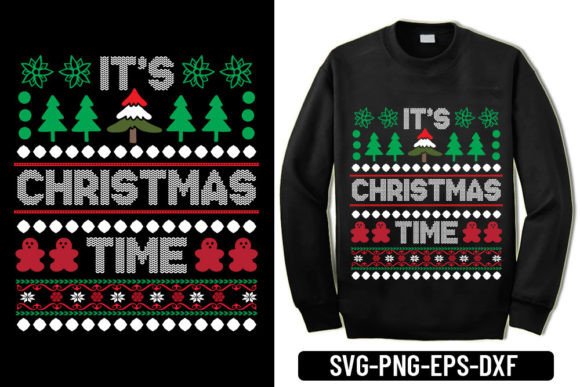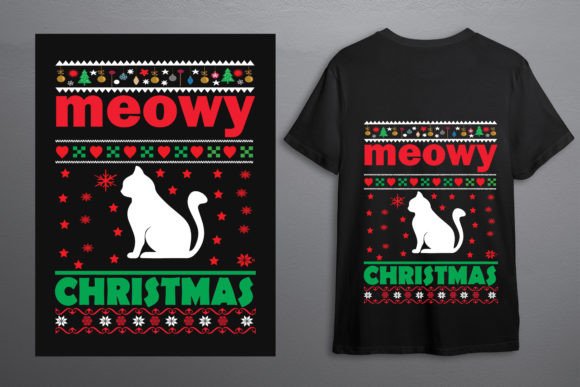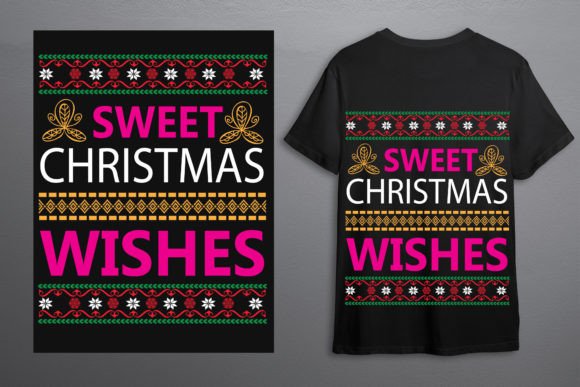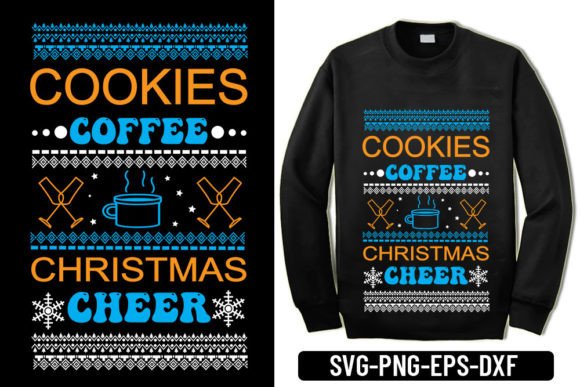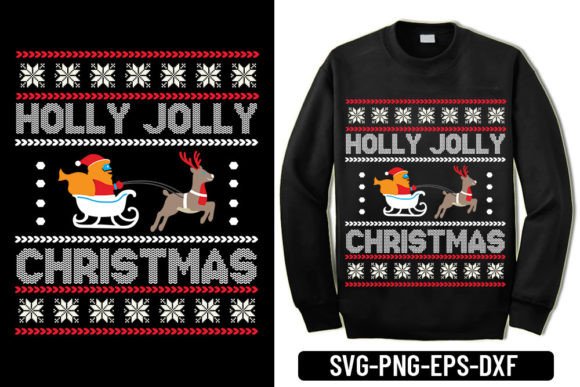
Ugly Sweater - Holly Jolly Christmas
First Impressions: Joyfully Chaotic, Not Just “Ugly”
Opening Ugly Sweater - Holly Jolly Christmas feels like unwrapping a gift that’s equal parts nostalgic and winkingly irreverent. The design leans into the beloved holiday trope—tinsel, candy canes, reindeer antlers, maybe a rogue snowman—but avoids visual clutter by anchoring it all in a strong central shape. It reads instantly as festive, handmade, and full of personality—not sloppy or underdesigned. That matters. When you’re stitching this onto a sweatshirt for a local boutique’s holiday pop-up, or embroidering it on a linen tea towel for a craft fair, first impression translates directly to perceived value. This isn’t background filler; it’s a conversation starter.
A Real-World Test: Embroidering It on a Cotton-Linen Tote Bag
Last week, I prepped Ugly Sweater - Holly Jolly Christmas for a small-batch run of embroidered tote bags—intended as holiday gifts for a local coffee roaster’s VIP customers. The fabric was medium-weight cotton-linen blend: breathable, textured, and unforgiving of low-density stitch work. I used a standard 4" x 4" hoop, medium tear-away stabilizer, and tested three thread palettes (classic red/green, navy/khaki, and monochrome black/white). The design held up beautifully—no floating stitches, no distortion around curved elements like the holly berries or sweater ribbing lines. The layout left clean margins, so it didn’t fight the tote’s gusset or strap seam. Customers loved the tactile charm of the satin-stitched accents against the matte fill areas. It felt intentional, not just “applied.”
Where It Shines—and Where You’ll Want to Pause
Ugly Sweater - Holly Jolly Christmas is strongest on stable, mid-to-heavyweight fabrics: sweatshirts, canvas totes, denim aprons, twill caps, and pillow covers. Its balanced negative space and moderate detail level make it highly adaptable for custom apparel, embroidered patch production, and holiday embroidery collections aimed at makers and Etsy sellers. It scales well—small enough for a baby onesie chest placement (with minor simplification), bold enough for a back-embroidered sweatshirt.
That said, proceed thoughtfully with:
- Thin or stretchy fabric: The design includes fine linear details (like tiny snowflakes or sweater cables) that may blur or pucker without firm cut-away stabilizer and reduced stitch density.
- Curved surfaces: On structured caps or curved pillow corners, test the outermost elements—antlers, tassels, or text—to confirm they don’t distort during hooping.
- Dark or heavily textured backgrounds: The PNG and SVG files give you flexibility for mockups, but always preview in grayscale first. Some decorative flourishes lose legibility on charcoal fleece or bouclé knits unless you adjust thread contrast intentionally.
- Frequent-wash items: If using for kitchen towels or baby clothes, verify stitch density supports durability—tighter fills hold up better than open running-stitch outlines over time.
Design Assets That Support Real Craft Business Needs
The file bundle—SVG, PNG, EPS, and DXF—is genuinely useful, not just checkbox compliance. As an embroidery designer who also creates printable mockups and digital product previews, I appreciate having vector formats for scaling logos or shop banners, and raster PNGs for quick social media thumbnails. The EPS works cleanly in Adobe Illustrator for layout refinement; the DXF imports smoothly into embroidery digitizing software for manual tweaks if needed. This versatility makes Ugly Sweater - Holly Jolly Christmas more than a machine embroidery design—it’s a flexible design asset for your entire workflow: from client pitch decks to Etsy listing visuals to packaging labels.
What It Adds to Your Finished Product—Beyond the Stitch
Embroidery isn’t just decoration—it’s emotional shorthand. Ugly Sweater - Holly Jolly Christmas carries warmth, humor, and seasonal sincerity without leaning into cliché. That builds customer trust, especially for handmade shops where buyers expect authenticity. When stitched cleanly, it elevates a basic sweatshirt into a personalized gift with story and care embedded in every thread. For small shop products, that distinction matters: it signals craftsmanship, not mass production. And yes—it performs well in photos. The contrast between dense fill areas and crisp outlines translates clearly on mobile screens, boosting buyer engagement for online listings.
Practical Designer Notes Before You Stitch
Before committing to your first embroidery project with Ugly Sweater - Holly Jolly Christmas:
- Test on scrap fabric—especially if using non-standard thread counts or blends.
- Check thread color contrast early: what reads joyful in RGB may flatten on dark denim.
- Review stitch density in your embroidery software—some areas may benefit from slight reduction for breathability on apparel.
- Confirm hoop size compatibility; while the design fits standard hoops, double-check dimensions if adapting for caps or tiny baby items.
- Inspect small details like berry stems or eyelashes—if stitching at very small scale, consider simplifying or omitting ultra-fine elements.
- Test in black and white mockups to assess clarity across lighting conditions and screen types.
- Use proper stabilizer: medium cut-away for knits, tear-away for stable wovens, and optional topping for napped fabrics.
- Verify licensing before selling finished items or bundling the digital file—this is critical for Etsy sellers and craft business owners.
Final Thought: A Design That Earns Its Place
Ugly Sweater - Holly Jolly Christmas doesn’t shout. It grins, winks, and invites people closer. It’s the kind of graphics piece that works as hard on a holiday apron in a bakery as it does on a limited-run tote for a design studio’s staff gift. It belongs in the T-Shirt Designs category, yes—but its real strength lies in how easily it steps beyond that label into patches, nursery decor, personalized gifts, and boutique merchandise. If you’re selecting embroidery files for real projects—not just stock inspiration—this one earns its spot in your working library. Just remember: great design is only as good as your preparation. Test, refine, and stitch with intention.