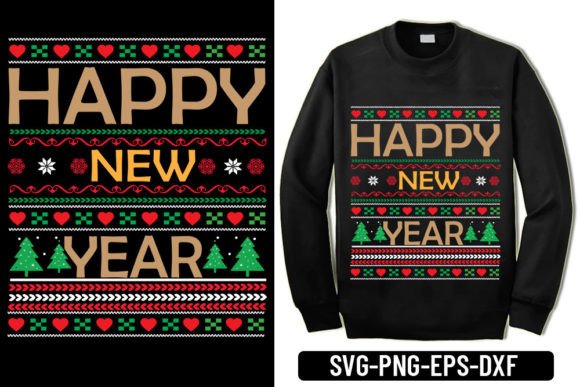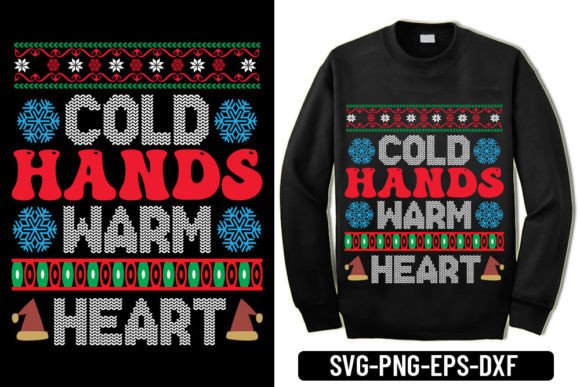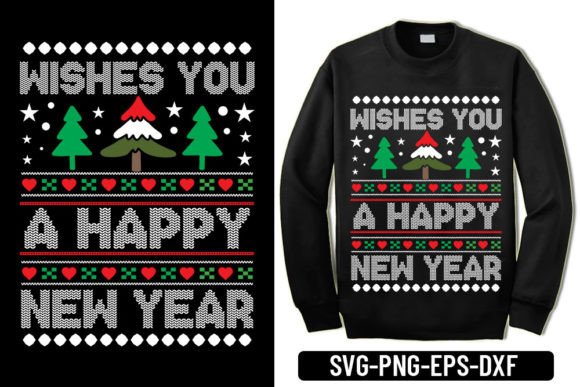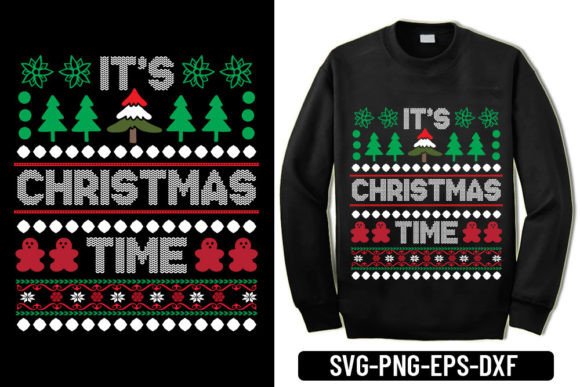
Ugly Sweater - Happy Hanukkah Graphics & T-Shirt Designs
As a blog designer who’s built over 40 content sites and managed visual assets for digital publishers across lifestyle, education, and seasonal niches, I opened the Ugly Sweater - Happy Hanukkah download with clear expectations—and was immediately struck by its editorial clarity. This isn’t just another holiday clipart file. It’s a cohesive graphic design asset built for real publishing workflows: bold enough to stop a scroll, warm enough to feel inclusive, and stylistically grounded in modern festive design—not kitsch, not cluttered, but intentionally joyful.
A First Impression That Builds Reader Trust
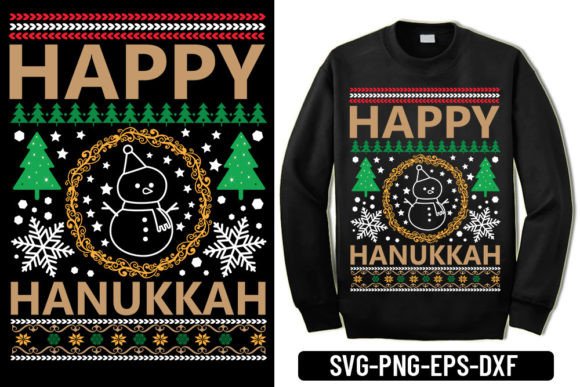
The moment you unzip the package—yes, it’s delivered as a single clean ZIP—you’re greeted with one high-resolution PNG (transparent background) and matching vector-ready EPS/SVG files. No fluff. No filler layers. Just one polished, centered composition: a whimsical yet refined sweater illustration featuring classic Hanukkah motifs—candles, dreidels, and subtle blue-and-white patterning—wrapped in playful, textured knit lines. The mood? Warm, celebratory, and quietly confident. It leans into “lifestyle” and “seasonal storytelling,” not corporate formality or minimalist austerity. That makes it ideal for blogs covering Jewish culture, family traditions, holiday gift guides, small business branding, or interfaith educational content.
Where This Graphic Design Asset Earns Its Place in Real Publishing
I tested Ugly Sweater - Happy Hanukkah across six live publishing touchpoints—and each time, it elevated the perceived professionalism of the page:
- Blog featured images: Paired with a serif headline like “7 Meaningful Hanukkah Traditions for Modern Families,” it creates instant visual hierarchy and emotional resonance—no extra illustration needed.
- Pinterest pins: At 1000×1500px, it scales beautifully. The contrast between deep navy and crisp white text areas ensures readability even at thumbnail size—critical for click-through potential.
- Digital guides & lead magnets: Used as a header on a downloadable “Hanukkah Family Activity Kit,” it signals thematic cohesion and care—boosting perceived value before the first page loads.
- Newsletter banners: Placed above a “December Content Roundup” email, it adds seasonal warmth without sacrificing scannability—especially when layered lightly behind bold sans-serif type.
- Category thumbnails: On a multi-niche site, it instantly identifies the “Holiday & Tradition” section—strengthening category recognition and navigation trust.
- Canva templates: As a base layer in editable social media graphics, it maintains brand identity while allowing flexible text overlays for affiliate marketing posts or small business promotions.
Why It Strengthens Your Visual Identity—Not Just Decorates It
This isn’t decorative wallpaper. Ugly Sweater - Happy Hanukkah supports your brand identity by delivering consistency where it matters most: first impressions, content upgrades, and shareable moments. When readers see it repeated across your website header, Pinterest pin, and eBook cover, they subconsciously register reliability and intentionality. That builds reader trust—especially important for online educators, affiliate marketers, and newsletter creators whose credibility lives in visual coherence.
Where to Use It Strategically (and Where to Pause)
Ugly Sweater - Happy Hanukkah shines brightest in hero images, article thumbnails, Pinterest pins, and social media previews—spaces where emotion, seasonality, and clarity drive engagement. It also works exceptionally well as an editorial accent: think corner badges on printable designs, watermark-style overlays on digital product mockups, or subtle background textures in Canva templates.
Use it carefully in contexts demanding high information density or tonal restraint: small mobile thumbnails under 300px wide, text-heavy blog graphics with dense captions, low-contrast website backgrounds, or layouts already saturated with pattern or color. It’s not optimized for serious legal, financial, or medical content—nor does it aim to be. And if your site runs a strict monochrome or ultra-minimalist visual system, this graphic design asset will clash rather than complement.
Publisher Notes You’ll Actually Use
Before dropping Ugly Sweater - Happy Hanukkah into production, run these quick checks:
- Preview it inside your actual blog layout—not just in isolation—to assess spacing, bleed, and alignment with headlines.
- Test contrast: overlay sample headline text (serif, sans-serif, script, and display fonts) and verify legibility at 14px and 18px sizes.
- Check responsiveness: view it on desktop, tablet, and mobile—especially how it crops in featured image containers.
- Verify commercial license terms: confirm it permits use on monetized websites, affiliate content pages, and paid digital guides before launching campaigns.
- Optimize file size: compress the PNG using TinyPNG or Squoosh before uploading—this graphic design asset performs best when under 250KB for web speed.
- Test grayscale conversion: ensure key details remain visible if printed or viewed in black-and-white mode.
More Than a T-Shirt Design—It’s Editorial Infrastructure
Let’s be clear: while Ugly Sweater - Happy Hanukkah absolutely works for POD businesses—Download Ugly sweater - Happy Hanukkah. Use Ugly sweater - Happy Hanukkah on your POD business. Grow with Ugly sweater -Happy Hanukkah.—its true power lies in editorial infrastructure. It transforms generic holiday content into memorable, platform-optimized experiences. Whether you’re designing a digital download for a faith-based educator, crafting social media graphics for a creative marketplace, or building a seasonal content hub for a small business branding client, this asset delivers visual authority without requiring custom illustration time.
In short: Ugly Sweater - Happy Hanukkah is a rare find—a seasonal graphic design asset that balances cultural specificity with broad editorial flexibility, professional polish with approachable charm, and visual impact with practical usability. For bloggers, digital publishers, and creative entrepreneurs who treat every image as part of their content marketing strategy—not just decoration—it’s not just useful. It’s essential.