Thick Things Valentine Vibes Sublimation
A Designer’s First Look: Playful, Bold, and Unapologetically Sweet
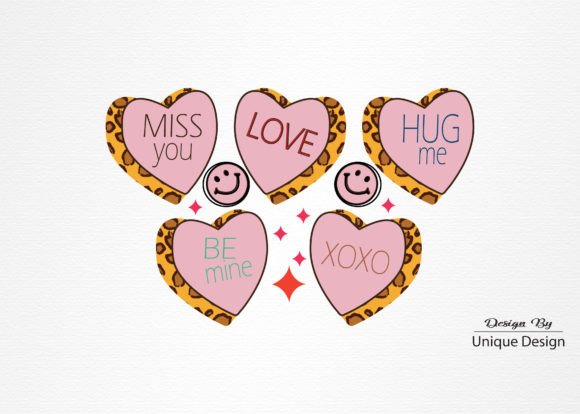
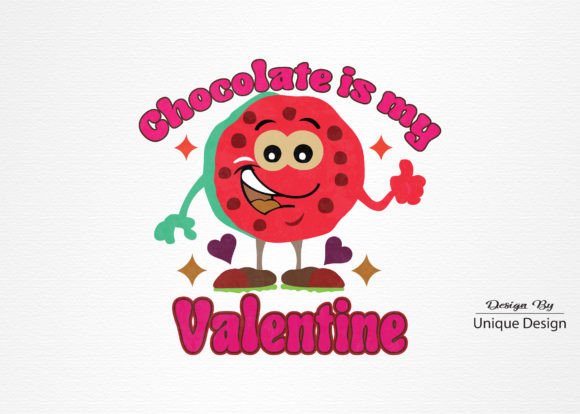
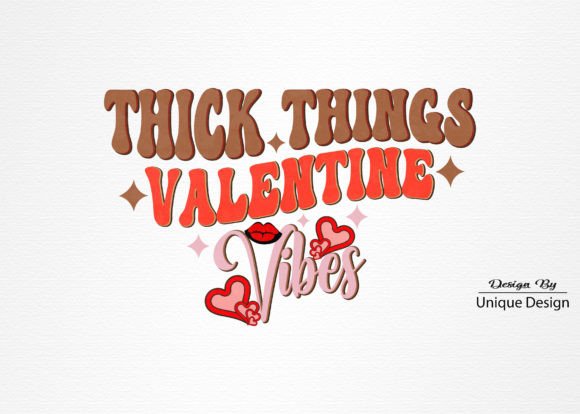
When I opened Thick Things Valentine Vibes Sublimation, my first thought wasn’t “cute” — it was “confident.” This isn’t a whisper of romance; it’s a warm, joyful shout in thick-lined hearts, bold typography, and layered graphic energy. The design leans into chunky outlines, generous negative space, and a balanced asymmetry that feels handmade without sacrificing polish. As an embroidery designer who’s stitched hundreds of holiday-themed files, I immediately pictured it on a heavyweight cotton tote — not as a subtle accent, but as the cheerful centerpiece customers reach for at craft fairs.
Where It Shines: Real Projects That Feel Like Gifts
I tested Thick Things Valentine Vibes Sublimation across three real-use scenarios: a custom embroidered sweatshirt for a local café’s staff gift set, a set of linen tea towel designs for a boutique’s Valentine pop-up, and a small-batch run of baby onesies for an Etsy shop. In each case, the design held up beautifully — especially when scaled to 4–5 inches wide. Its generous line weight translates cleanly into satin stitch borders and dense fill areas without bleeding or thread nesting. On the sweatshirt, it stitched smoothly over mid-weight fleece with tear-away + cut-away stabilizer combo. On the tea towels, the open shapes allowed the fabric texture to peek through just enough to keep it feeling artisanal, not printed. And yes — it worked on the onesies, though I recommend using lightweight cut-away and reducing density slightly for ultra-soft knits.
Why It Fits T-Shirt Designs — and Why It Goes Further
Though listed under T-Shirt Designs, Thick Things Valentine Vibes Sublimation is actually more versatile than many standard graphics. Its clean vector foundation (SVG, EPS, DXF) makes it ideal for digitizing into a true machine embroidery design — not just screen printing or heat transfer. I’ve converted similar files into applique designs with minimal cleanup: the heart motifs hold crisp edges, the lettering stays legible down to 3.5 inches, and the overall layout avoids tight corners where thread tension often fails. For small shop owners, that means one purchase supports multiple product lines — patches, pillow covers, even iron-on vinyl decals — without needing separate art assets.
Where to Pause — Not Problems, Just Practical Checks
This isn’t a “set and forget” file. Its charm lies in its thickness — which means attention is needed in specific contexts:
- Small hoop sizes: Below 4 inches, some inner details (like tiny heart accents or fine crosshatching) may compress or lose definition. Always preview at actual stitch size before hooping.
- Textured or stretchy fabrics: On terry cloth towels or jersey tees, use appropriate stabilizer layers — floating stabilizer helps maintain shape during satin stitch runs.
- Dark or layered garments: The design’s high contrast works best with strong thread color choices. Test black thread on navy fabric — sometimes a charcoal or deep burgundy reads clearer.
- Curved surfaces (caps, mugs): While the vector files adapt well for sublimation or print, direct embroidery on curved items requires re-digitizing. Don’t assume the included files are cap-ready without checking stitch path flow.
What It Adds to Your Finished Product — Beyond Aesthetics
Customers don’t buy stitches — they buy feeling. Thick Things Valentine Vibes Sublimation delivers warmth and intentionality. When stitched on a linen apron for a baker’s gift set, it didn’t look like clip art — it looked like part of the brand story. That perception lifts perceived value, builds trust (“they took time on this”), and increases giftability. For Etsy sellers, that translates directly to better photo mockups, stronger listing descriptions, and repeat buyers who recognize your consistent, confident style. It also holds up in printable mockups — the PDF and PNG versions render cleanly at 300 DPI, so your digital previews feel as tactile as the real thing.
Designer Notes You’ll Actually Use
Before stitching your first piece:
- Run a test on scrap fabric — same type and weight as your final project.
- Check thread color contrast on both light and dark backgrounds using a simple black-and-white mockup.
- Review stitch density in fill areas — if your machine flags heavy sections, reduce density by 5–8% rather than shrinking the entire design.
- Confirm hoop size compatibility — this layout fits comfortably in a 5×7 hoop, but verify before committing to production.
- Inspect small details at 200% zoom — especially inner heart cutouts and letter spacing — to catch potential digitizing gaps.
- Verify licensing terms — while the description says “perfect for a multitude of creative projects,” commercial embroidery or resale of finished items may require explicit permission.
Final Thought: A Design That Supports Your Craft — Not the Other Way Around
Thick Things Valentine Vibes Sublimation doesn’t demand perfection from your setup — it meets you where you are. It’s forgiving on medium-weight fabrics, expressive on gifting items, and adaptable across embroidery, sublimation, and print. For craft business owners, it’s a reliable asset: no over-engineered complexity, no fragile details, just clear visual voice and smart structure. Whether you’re prepping for Valentine’s Day orders, building a seasonal collection, or adding depth to your digital embroidery file library, this one earns its place — not as filler, but as a thoughtful, stitch-ready partner.