American: A Typography Design That Stitches With Purpose
First Impressions: Bold, Clean, and Unmistakably Patriotic
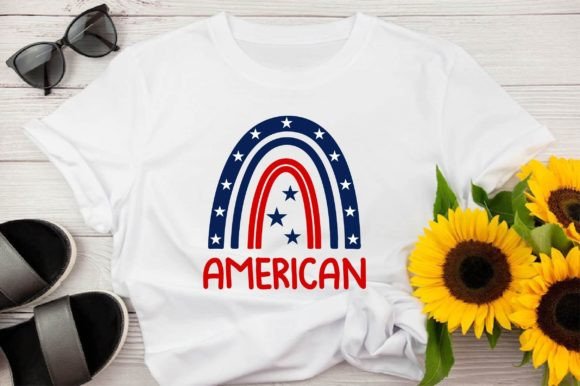
When I opened American, my first thought wasn’t “Oh, another flag-themed graphic.” It was, “This feels like a statement—not just decoration.” The typography is strong but not aggressive; the spacing is generous, the weight balanced. It reads clearly at a glance, which matters more than you’d think when stitching on curved surfaces or textured fabrics. As a designer who’s stitched hundreds of quotes for boutique apparel and holiday gifts, I appreciate how American avoids visual clutter—it doesn’t lean on stars, stripes, or ornamental borders. That restraint makes it versatile across seasons and product types, not just a Fourth of July flash-in-the-pan.
Real-Life Test: Embroidering a Linen Kitchen Towel for a Local Boutique
Last week, I used American to embroider a set of heavyweight linen tea towels for a small shop in Asheville. No appliqué, no fill-heavy motifs—just clean satin-stitched letters with subtle tapering on the terminals. The result? Crisp, confident, and quietly sophisticated. Customers didn’t just see “patriotic”—they saw *craft*. One buyer told me she bought three: one for her kitchen, one as a hostess gift, and one framed above her farmhouse sink. That kind of emotional resonance starts with design integrity—and American delivers it without shouting.
Where It Shines (and Where It Needs Care)
American works exceptionally well for:
- Custom apparel—especially sweatshirts, crewnecks, and structured tote bags where letterform clarity matters more than fine detail;
- Embroidered patches—its open spacing and moderate stroke width translate cleanly into sewn edges, even at 3”–4” widths;
- Baby embroidery—on organic cotton onesies or burp cloths, its simplicity reads as tender rather than loud;
- Holiday embroidery—yes, it fits Fourth of July, but also Memorial Day, Veterans Day, and even back-to-school spirit wear for schools with strong community identity;
- Commercial embroidery—small shops and Etsy sellers can confidently list it as part of a curated “American-made” collection without worrying about dated tropes.
But here’s where attention matters:
- Small hoop sizes: If your machine’s smallest hoop is under 4”, test American at 85% scale first. Tight corners on capital “A” and “R” may compress awkwardly.
- Textured or stretchy fabric: On slubbed linen or lightweight jersey, use medium-weight cutaway stabilizer—not tear-away. Running stitch outlines help anchor the shape.
- Dark fabric: The design’s strength lies in contrast. On navy or charcoal, pair it with bright white or cream thread—not ecru or off-white. Test both in natural light and under store lighting.
- Curved surfaces: Caps and beanies demand careful digitizing adjustments. This PNG file isn’t pre-digitized, so if you’re sourcing an embroidery file separately, confirm it includes underlay and pull compensation for curved substrates.
- Frequent washing: Avoid dense fill stitches in the letter interiors. Stick to satin or outline + light fill. Over-stitching invites puckering on cotton blends.
What It Does for Your Handmade Product—and Your Customer
American elevates perceived value because it looks intentional—not templated. When stitched on a canvas apron for a local bakery, it read as “crafted for pride,” not “printed for profit.” That distinction builds trust. Buyers of handmade goods don’t just want quality—they want authenticity. And American supports that narrative without leaning on cliché.
For Etsy sellers and craft fair vendors, it performs well in printable mockups too. Its clean lines hold up in black-and-white previews, and it scales gracefully across social thumbnails, listing banners, and packaging labels. As a digital embroidery file or T-Shirt Designs asset, it’s a low-risk, high-return addition to your design assets library—especially if you serve clients who value timeless over trendy.
Practical Designer Notes Before You Stitch
Before committing to a client project or bulk production:
- Test on scrap fabric first—especially if using textured weaves, fleece backs, or performance blends;
- Check thread color contrast in daylight and indoor light—some creams look gray on dark backgrounds;
- Review stitch density if you’ve sourced a digitized version—look for smooth transitions between curves and straight strokes;
- Confirm hoop size compatibility—if your standard hoop is 5”x7”, verify the design fits comfortably within those boundaries with ¼” margin;
- Inspect small details—the crossbar on the “A” and the tail of the “R” should be legible, not fused into adjacent letters;
- Test in black-and-white mockups to assess silhouette strength before choosing final thread colors;
- Compare light vs. dark fabric backgrounds—a design this clean should work equally well on ivory linen and deep indigo denim;
- Use proper stabilizer—cutaway for knits, tear-away for stable wovens, and fusible + cutaway for lightweight silks or rayons;
- Verify licensing—since this is marketed as a Graphics download for websites and stores, confirm whether resale of finished embroidered items or redistribution of digitized files is permitted.
Final Thought: Not Just a Design—A Reliable Tool
American isn’t flashy. It won’t win awards for novelty. But in the daily rhythm of running a craft business—juggling client deadlines, fabric swatches, thread inventory, and Etsy SEO—it’s the kind of design that shows up ready to work. It stitches cleanly, photographs honestly, sells with quiet confidence, and holds up after repeated washes. For makers who care about integrity over impulse, American earns its place in the rotation—not as a seasonal prop, but as a dependable piece of your embroidery project toolkit.